Progress safety
How Saving Works in Mina the Hollower
A practical save-system guide for Mina the Hollower covering checkpoints, death-risk planning, resource spending, and safe exploration habits.
Quick Answer
Mina should be played with checkpoint discipline: spend or secure resources before unknown branches, treat dangerous routes as scouting runs, and check progress after each death before pushing forward again. Public coverage points to checkpoint-driven recovery, but exact autosave details should be confirmed in-game before risky routing.
At a glance
Best for
Saving, checkpoints, death recovery, currency safety, and route planning.
Start with
Large currency stack
Next step
Return to the nearest safe point first.
Detailed Breakdown
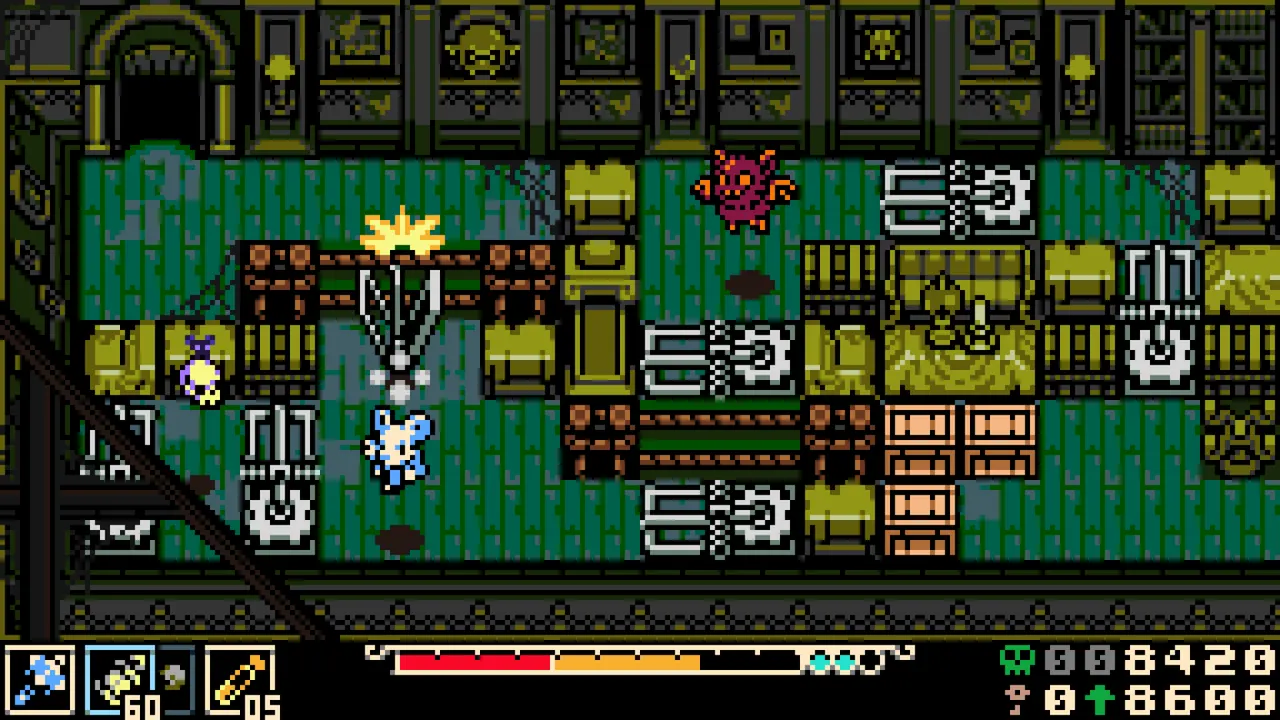
Mina the Hollower is built around routes, danger, and return paths, so saving is part of the strategy rather than a background convenience. Even without memorizing every system detail, the practical rule is clear: progress feels safest when the player spends resources before taking an unfamiliar branch and returns to a safe point before entering a suspicious arena.
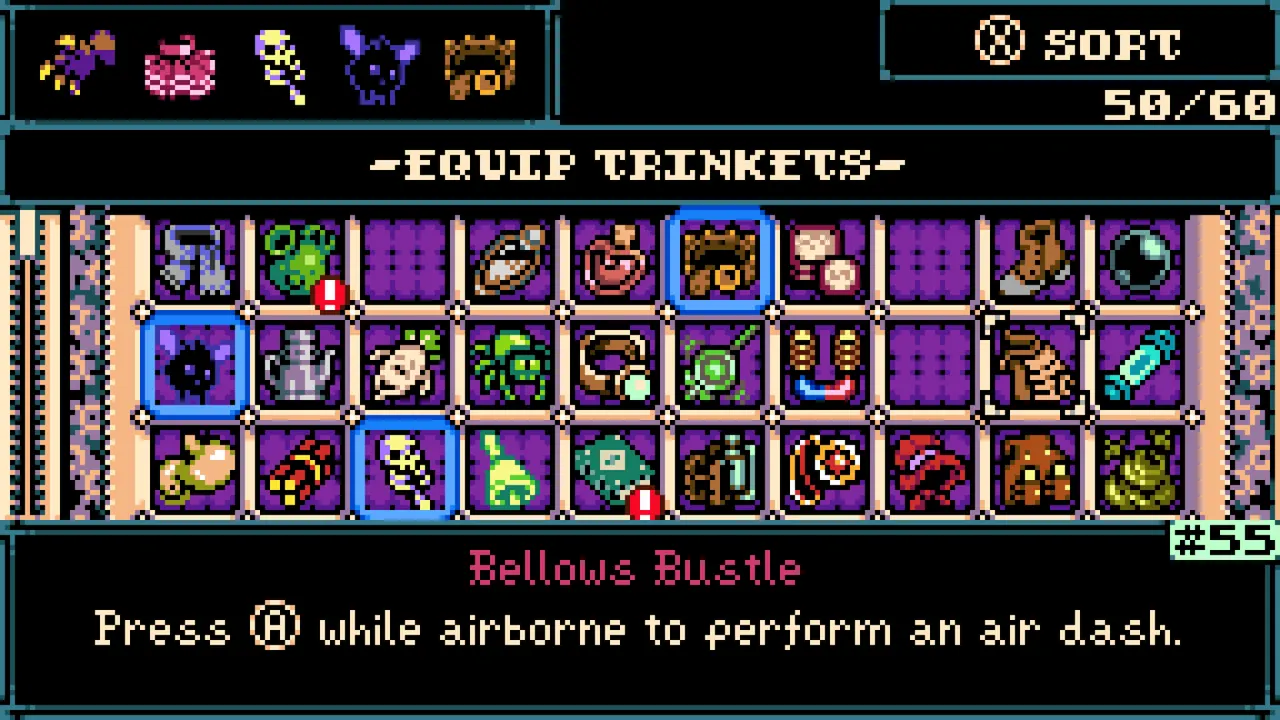
Gamesear's beginner coverage discusses checkpoints in relation to the Proto Spark trinket, which suggests that checkpoint contact matters for recovery and survival planning. That makes checkpoints more than rest stops. They define when an exploratory push becomes reasonable, when a boss retry is efficient, and when a currency-heavy route should be postponed.
The main risk is assuming that all progress is equally safe. A player may keep a map discovery, lose a resource state, retain an upgrade, or return to a different position depending on the game's exact save rules. Until those rules are familiar, the safest habit is to verify the character's state after each death: location, currency, inventory, upgrades, and opened shortcuts.
Situation
Large currency stack
Best habit
Spend before scouting a new branch.
Why it matters
Upgrades and keys turn currency into permanent advantage.
Risk if ignored
A failed route can erase momentum and patience.
Situation
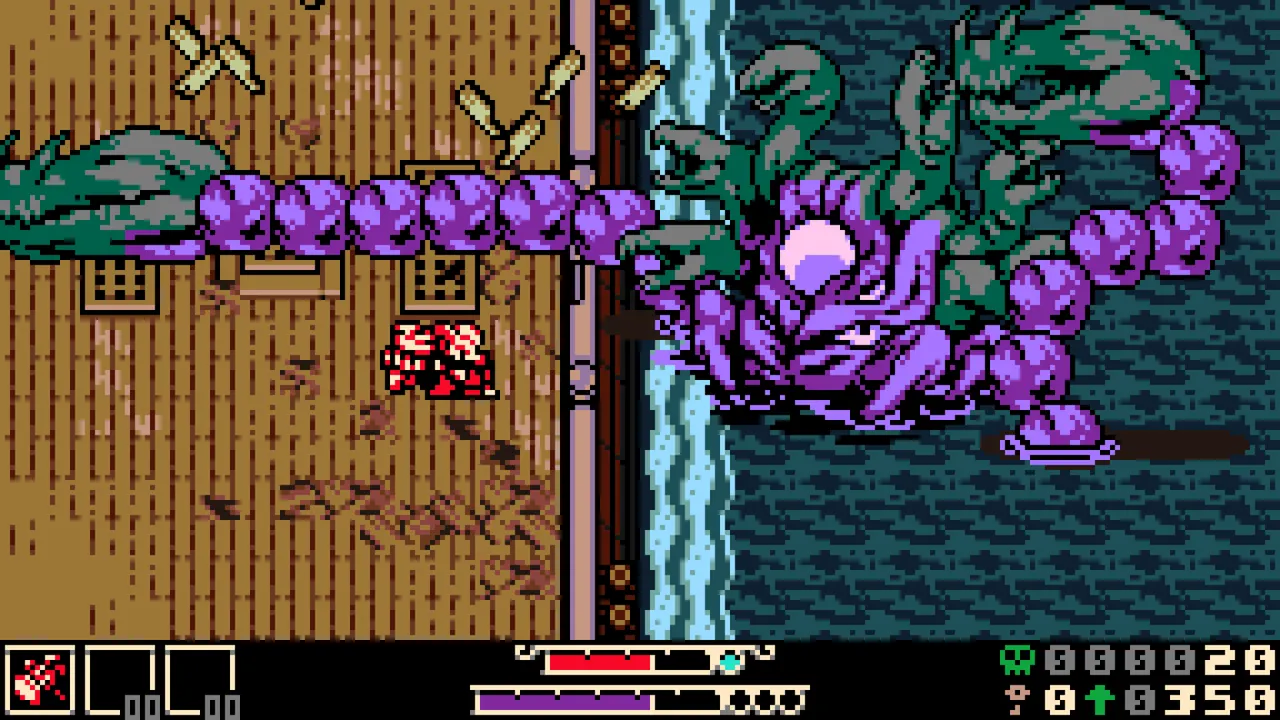
Suspicious arena entrance
Best habit
Return to the nearest safe point first.
Why it matters
Boss attempts are more useful from a clean state.
Risk if ignored
Low-resource attempts teach less and frustrate more.
Situation
After a death
Best habit
Check location, inventory, currency, and shortcuts.
Why it matters
The player learns what the save system preserved.
Risk if ignored
Repeated deaths can hide the actual penalty.
Situation
Long exploration route
Best habit
Open shortcuts before chasing optional loot.
Why it matters
Backtracking becomes safer and less time-consuming.
Risk if ignored
Optional rewards can turn into expensive detours.
Why It Matters For Players
Saving affects how aggressively a player explores. If a route is safe to repeat, pushing deeper makes sense. If the route drains health, sidearm energy, or currency every time, the better play is to bank progress, upgrade, or search for a shortcut first. This is especially important in Mina because exploration density makes side paths tempting even when the current build is not ready.
Death can still be useful if it produces information. A clean death after reaching a boss teaches arena layout or attack timing. A messy death halfway through a hazard corridor may only say that the route was entered with the wrong plan. Save-system awareness turns those outcomes into decisions instead of frustration.
- Spend currency before entering a route with unknown hazards.
- Open shortcuts before pushing for optional rewards.
- Start boss attempts from a repeatable route state.
- Check inventory and upgrades after dying to learn what persisted.
- Stop scouting when the route back is no longer safe.
Important Details Players May Miss
The save question is not only whether progress is stored. The more useful question is what kind of progress is stored. Map knowledge, opened shortcuts, spent currency, purchased upgrades, boss attempts, and sidequest steps may not all feel the same after a death.
This is why early players should avoid long chains of unbanked progress. A route that includes a new item, a locked room, a shortcut, and a boss door should be broken into smaller goals. Secure the shortcut, then return. Spend currency, then scout. Learn the boss, then adjust the build.
Current Unknowns And Caveats
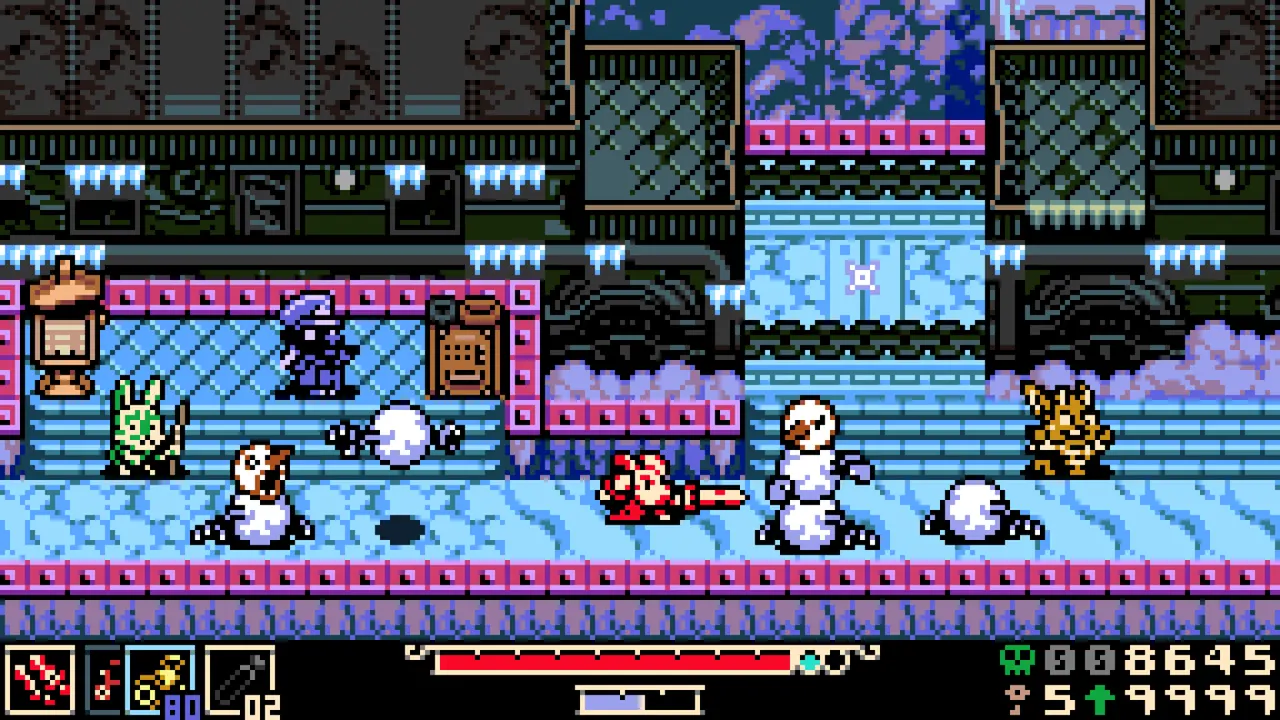
Exact autosave triggers, death penalties, and persistence rules can vary by version or patch. A careful guide should not claim more than the game demonstrates in the current build.
The practical advice remains stable even when details change: bank resources before risk, use shortcuts to reduce repeat time, and evaluate a death by what it taught rather than how far it pushed the player back.
Editorial Takeaway
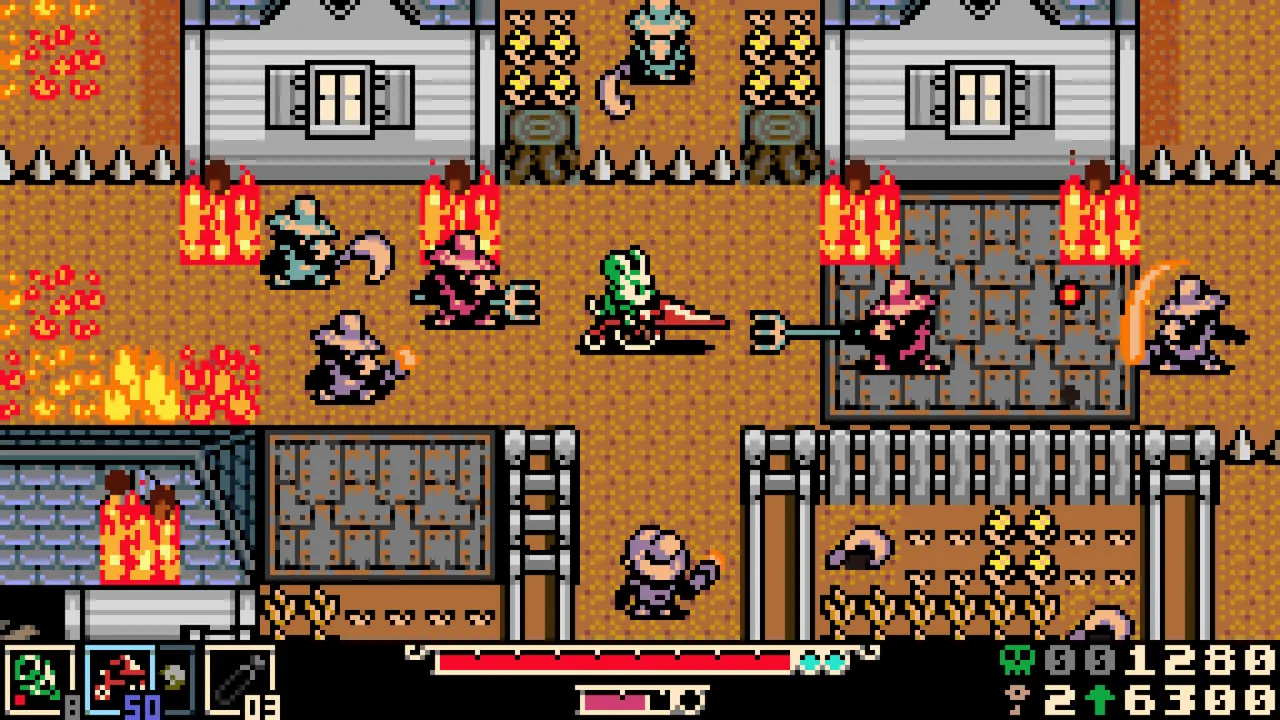
Mina rewards the player who treats saving as route management. The strongest early habit is not never dying; it is making sure each death starts from a sensible state and teaches something useful about the room, the boss, or the build.