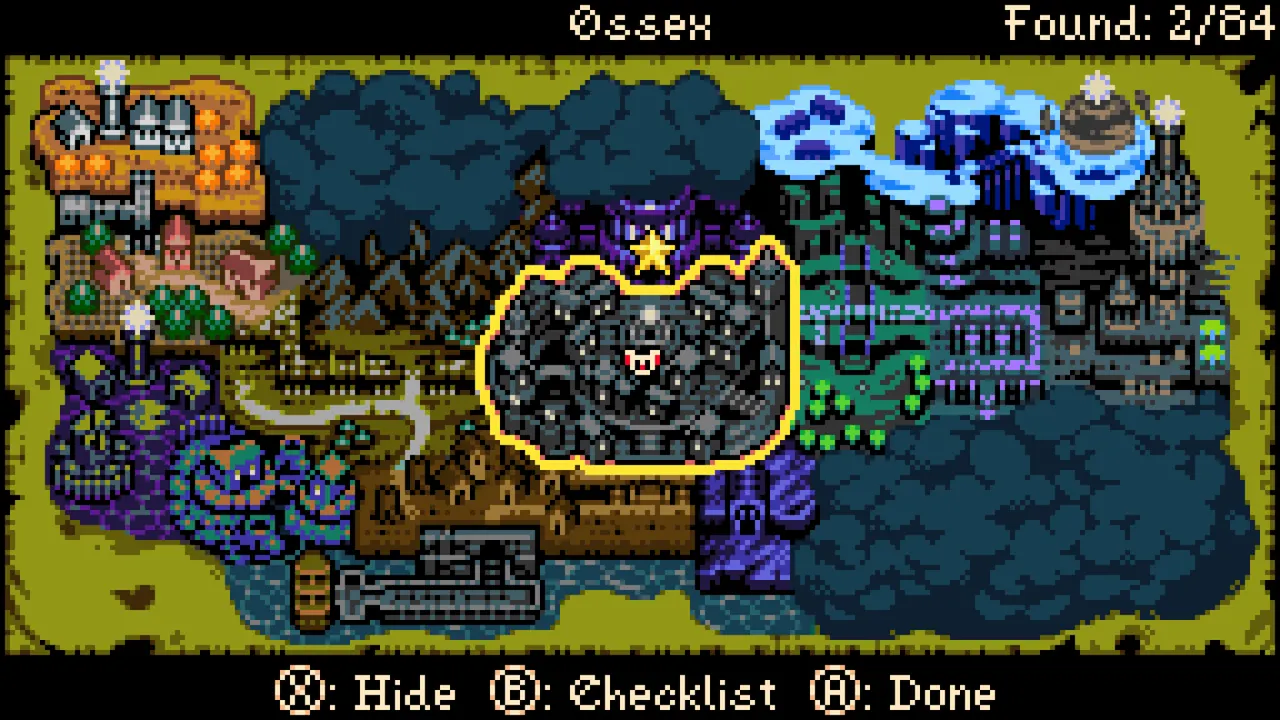
First hour route
Mina the Hollower Beginner Guide
A Mina the Hollower beginner guide for early combat habits, safe spending, first-hour routing, and avoiding costly opening mistakes.
Quick Answer
The safest early approach is to treat the opening hour as a combat tutorial, not a race. Learn how long Mina takes to burrow, spend resources before dangerous branches, try each weapon style before committing upgrades, and avoid pushing into a new route with empty healing or a large currency stack.
At a glance
Best for
First-session routing, safe early upgrades, resource spending, and combat habits.
Start with
First weapon choice
Next step
Scout it after spending currency or finding a nearby safe point.
Detailed Breakdown
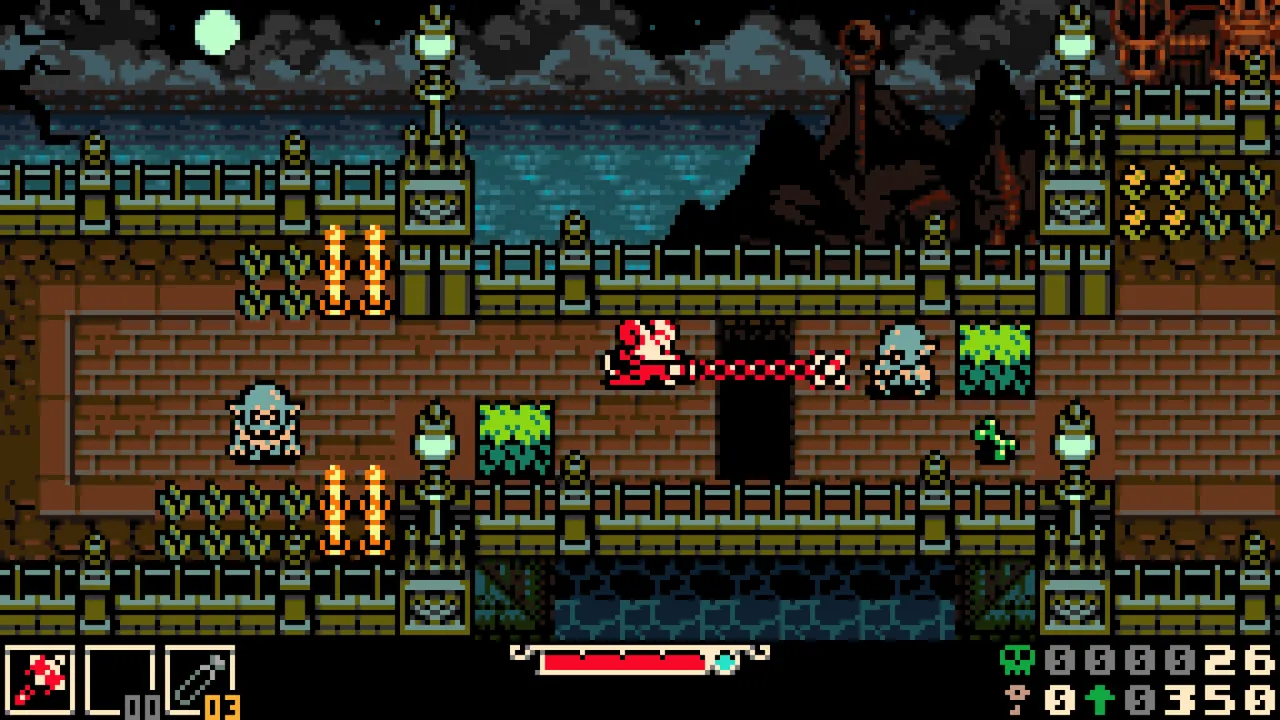
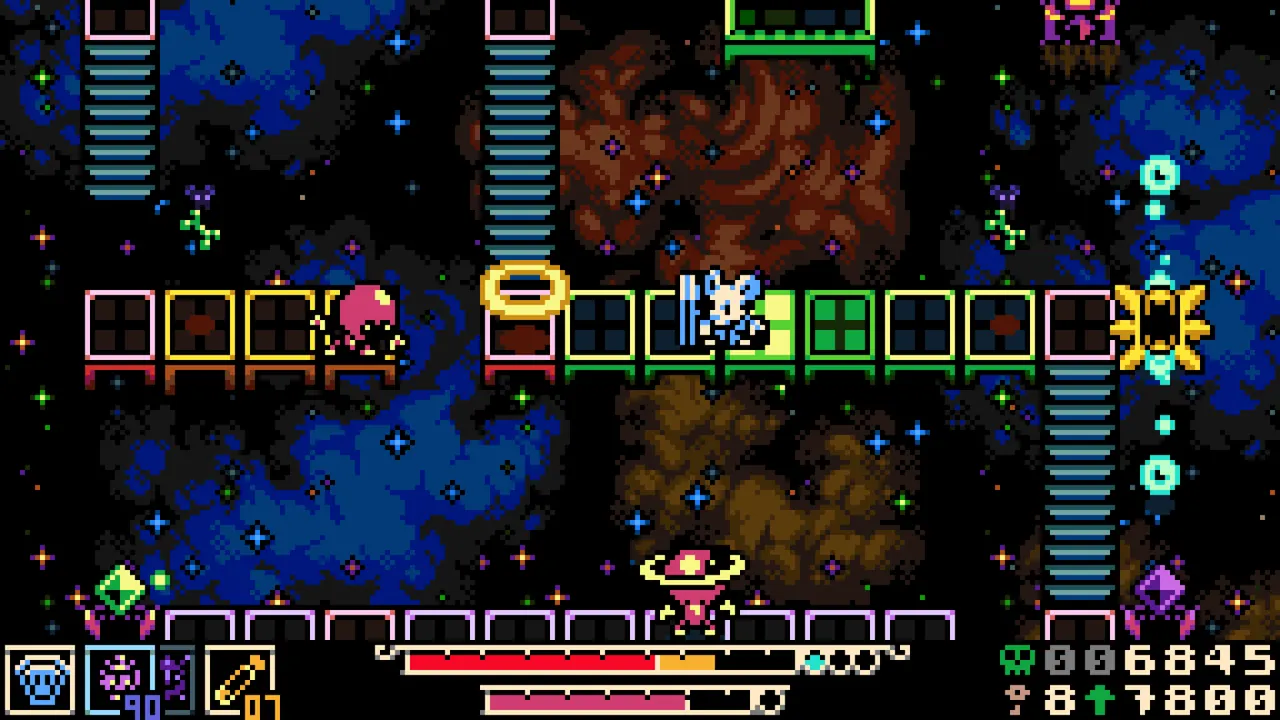
Mina the Hollower looks like a compact Game Boy Color throwback, but its opening is built around pressure. Rooms often combine enemy arcs, pits, projectiles, and awkward exits, so early progress depends less on reflex speed than on learning when to stop attacking. The burrow move is the central habit: it can dodge many threats, cross routes, and reset spacing, but it has timing limits and should not be treated as a panic button.
The first hour should be spent building a simple loop. Enter a room, identify the enemy that controls space, remove it without spending rare resources, then check for suspicious walls, side paths, or pickups before moving on. That rhythm matters because Mina rewards curiosity with trinkets, shortcuts, currency, and sidearm options, while careless forward momentum can create a long recovery walk after a death.
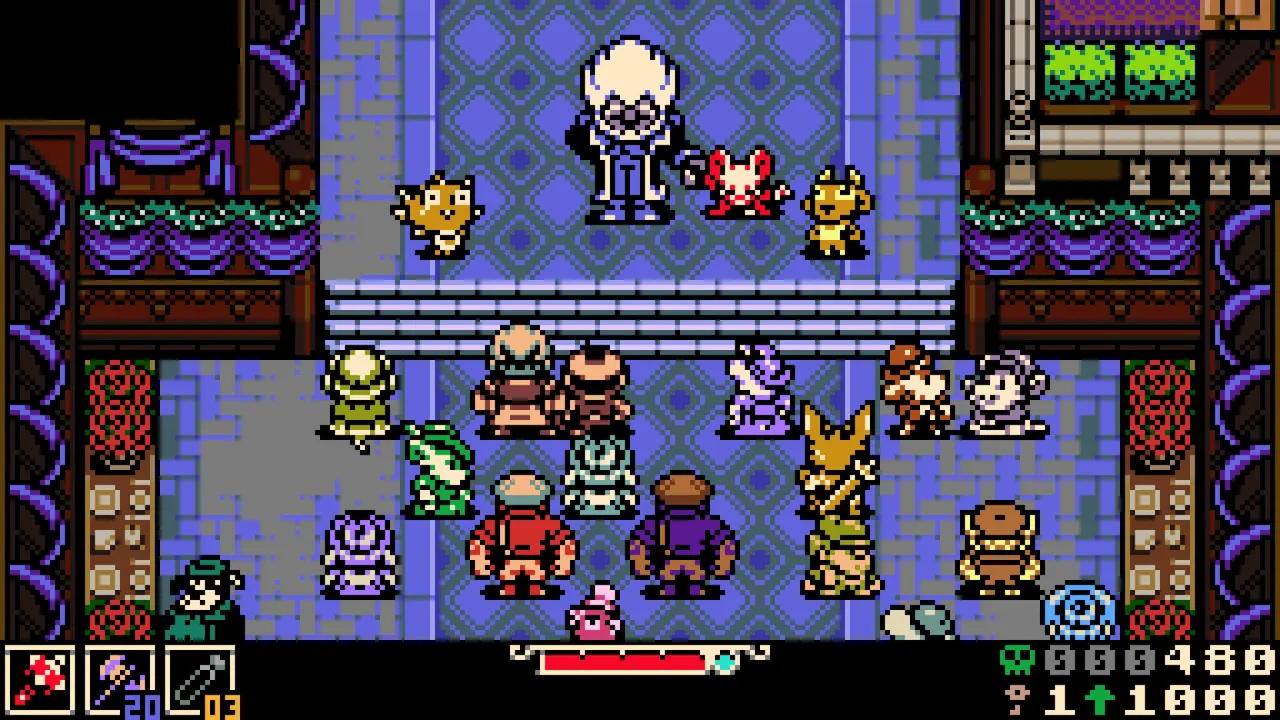
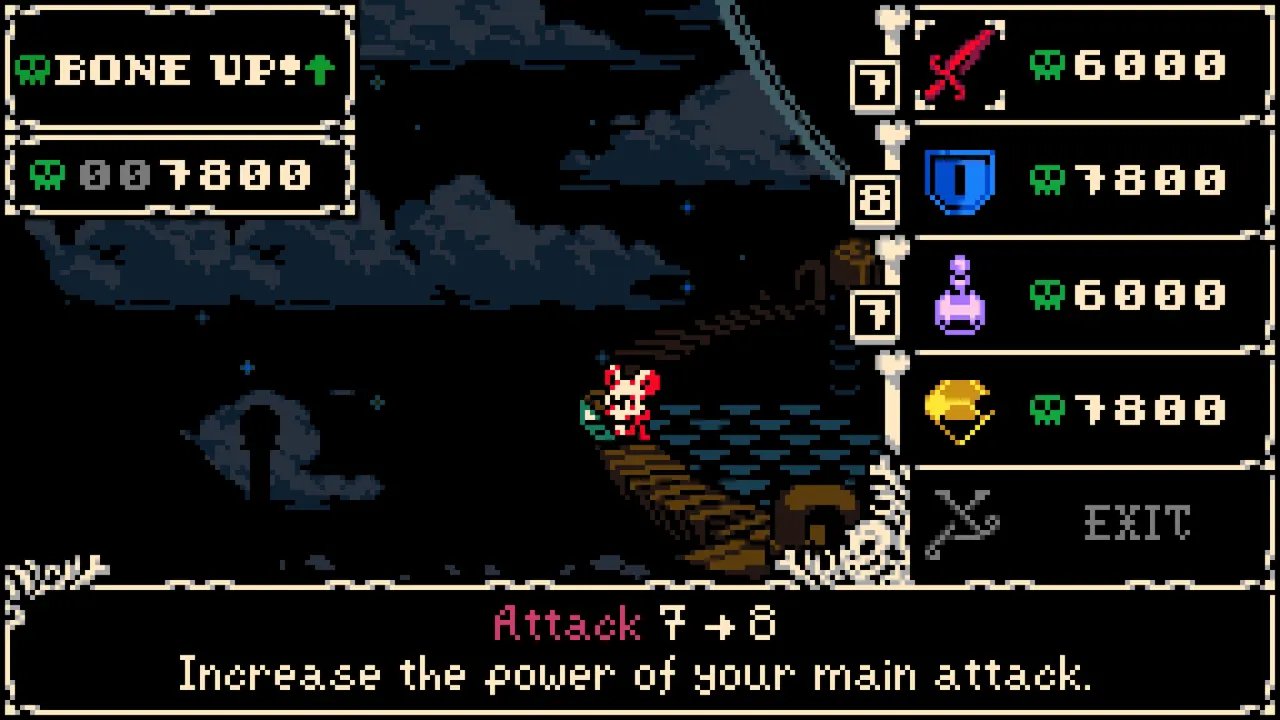
Resource spending is the other early discipline. A player carrying enough currency for an upgrade gains little by gambling on an unknown branch before visiting town or a safe point. Buying a key, improving a weapon, or stocking a useful item can make the next route easier; hoarding resources only increases the frustration of losing time to a room that has not been learned yet.
Early problem
First weapon choice
Best approach
Use the style with the clearest range and recovery.
Why it matters
Readable spacing prevents damage while enemy patterns are still unfamiliar.
Trade-off
Slower clears are acceptable while learning room layouts.
Early problem
New side path
Best approach
Scout it after spending currency or finding a nearby safe point.
Why it matters
Exploration is valuable, but blind routes are where early deaths usually snowball.
Trade-off
Some rewards may wait until the route back is safer.
Early problem
Healing window
Best approach
Create distance first, then heal during a predictable enemy pause.
Why it matters
Healing is risky when used as a panic reaction during pressure.
Trade-off
Over-defensive play can extend fights and drain focus.
Early problem
Key purchase
Best approach
Buy keys when a locked route sits near the current path.
Why it matters
Locked rooms often justify their cost through loot or route value.
Trade-off
Buying too early can delay weapon upgrades.
Why It Matters For Players
The opening hour sets the tone for the rest of the game because Mina uses difficulty as instruction. A room that feels unfair usually asks for a different rhythm: burrow earlier, attack less, approach from another angle, or return after a gear change. That makes early deaths useful only if the player reads what caused them instead of brute-forcing the same route.
Weapon experimentation also matters early because upgrades and muscle memory compound. A weapon that feels safe against basic enemies may struggle against airborne pressure or tight arenas, while a high-damage option may punish missed swings. Trying several styles before investing heavily keeps the first build flexible enough for bosses, exploration, and puzzle rooms.
- Clear a room once slowly before trying to clear it quickly.
- Change one piece of gear at a time so the effect is easy to feel.
- Spend currency before entering a branch with unknown hazards.
- Use sidearms for awkward targets, not for every basic enemy.
- Return to older rooms after a new movement or trinket option changes the route.
Important Details Players May Miss
Beginner frustration often comes from treating burrow as total safety. Review coverage and store material both frame burrowing as a core movement and defense tool, but not as immunity to every threat. Some attacks, hazard layouts, or timing windows can still punish a late burrow, which makes pre-emptive positioning stronger than last-second reactions.
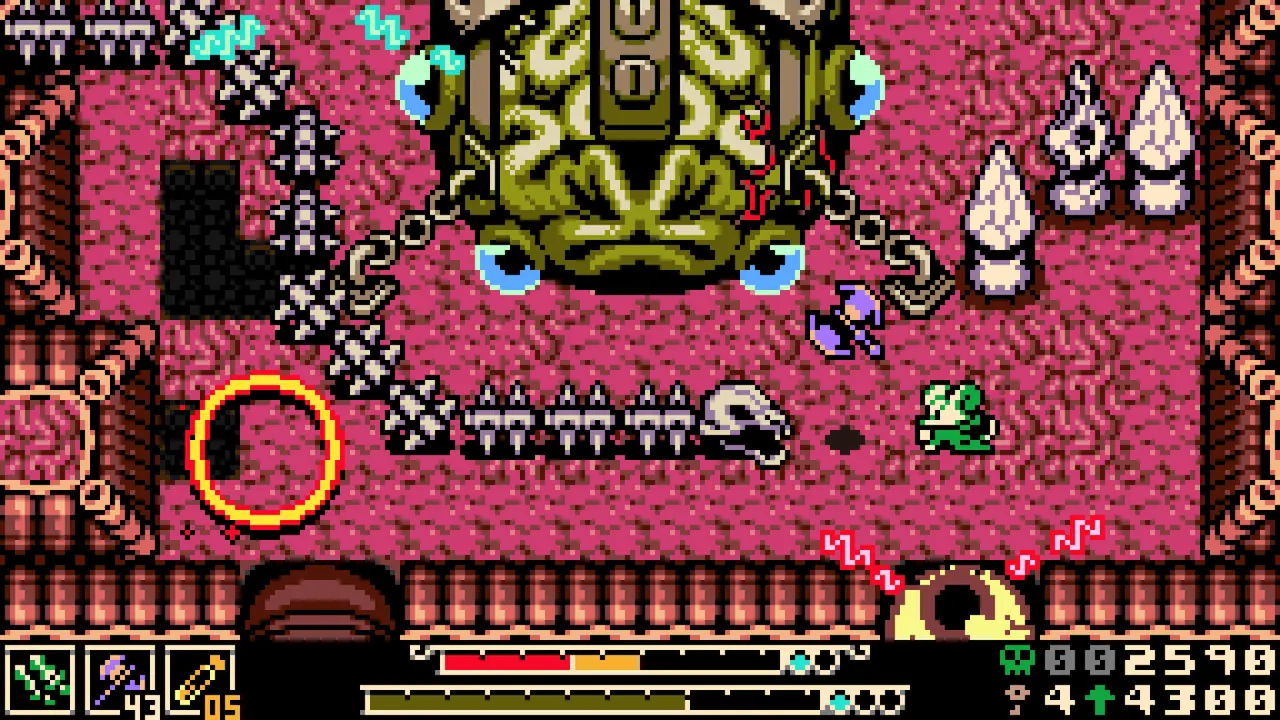
Healing deserves the same caution. Early player coverage highlights that healing can be slow and tied to offensive momentum, which changes boss attempts dramatically. A full set of healing resources does not help if a boss leaves no clean window to use them. Creating that window through spacing, sidearm control, or a safe arena corner is often more important than entering with maximum healing.
Trinkets can reshape survival more than raw damage. A revive-style or mistake-forgiving effect is often more valuable during a first playthrough than a damage boost, because it turns a failed boss pattern into extra learning time. Damage matters later, but the first real power spike is usually the setup that lets more attempts reach the final phase.
Current Unknowns And Caveats
Exact route order and boss names should be handled carefully because Mina is built around discovery. Some public coverage discusses early regions, sidequests, and item examples, but a beginner page should avoid spoiling late routes before a player needs that information.
Patch timing may also affect small details such as upgrade costs, item placement, controller prompts, or balance values. The reliable beginner advice is therefore about decision-making: reduce risk before scouting, learn burrow timing, and choose upgrades that solve the problem currently blocking progress.
Editorial Takeaway
Mina the Hollower is most forgiving when played like a dense action-adventure rather than a straight-line platformer. The early game wants patient observation, deliberate spending, and gear experiments that answer specific problems. A strong first run is not the fastest one; it is the run that builds habits sturdy enough to survive the first serious boss wall.