Combat choices
Mina the Hollower Weapons Guide
A practical Mina the Hollower weapons guide for choosing early gear by range, recovery, boss comfort, sidearm fit, and upgrade value.
Quick Answer
The best early weapon is the one that makes enemy spacing easiest to read. Nightstar-style reach is the safest baseline, while faster or heavier options become stronger once room layouts, burrow timing, and boss punish windows are familiar. Upgrade for consistency before chasing raw damage.
At a glance
Best for
Starting weapon decisions, upgrade priorities, sidearm fit, and combat style trade-offs.
Start with
Learning rooms
Next step
Quick close-range attacks
Detailed Breakdown
Steam describes Mina's trusty whip, Nightstar, alongside an arsenal of weapons with different move sets. That wording matters because weapon choice is not just a damage comparison. Each weapon changes how close Mina must stand, how long a missed attack leaves her exposed, and how naturally sidearms fit between normal hits.
A range-focused weapon is usually the safest opening choice because it creates time to read enemy arcs. Close-range or faster styles can clear rooms faster, but they demand better burrow timing and stronger knowledge of enemy recovery. Heavy options can feel excellent against predictable targets, then become awkward when a room fills with small enemies, projectiles, or narrow platforms.
Upgrades should be judged by how they change the player's next route. PC Gamer's review notes that weapon enhancement leans toward expanded abilities rather than simple damage stacking, which makes early investment more interesting. A utility upgrade that improves safety, control, or repeatable hits may outperform a number increase if it removes the mistake that keeps ending attempts.
Combat need
Learning rooms
Best fit
Reach and clean recovery
Why it works
Keeps Mina outside enemy contact while patterns are new.
Risk
Room clears can be slower than aggressive builds.
Combat need
Fast pressure
Best fit
Quick close-range attacks
Why it works
Punishes enemies during short openings and keeps momentum high.
Risk
Bad spacing turns missed hits into immediate damage.
Combat need
Boss attempts
Best fit
Consistent single-target timing
Why it works
Reliable hits matter more than burst damage during pattern learning.
Risk
May underperform in rooms with many small threats.
Combat need
Exploration
Best fit
Weapon plus sidearm coverage
Why it works
Sidearms can solve angles the main weapon handles poorly.
Risk
Energy use can become wasteful without restraint.
Why It Matters For Players
Weapon commitment shapes progression speed because it affects the number of mistakes a player can survive. A safer weapon can turn a new biome into a steady scouting route, while a more aggressive weapon can make known routes faster once enemy placement is memorized. The correct choice changes as the player moves from discovery to farming, from farming to boss prep, and from boss prep to repeat clears.
The most common early mistake is swapping weapons because one bad room made the current choice feel weak. Some rooms punish the weapon; others punish the approach. Before abandoning a style, it is worth changing the entry angle, using a sidearm on the specific enemy causing problems, or deciding whether burrow timing is the real failure point.
- Pick reach when the route is unknown.
- Pick speed when enemy patterns are already familiar.
- Save sidearm energy for targets the main weapon cannot safely reach.
- Upgrade the weapon that improves the next boss attempt, not the one with the flashiest animation.
- Revisit older rooms after a weapon upgrade because utility changes can open safer routing.
Important Details Players May Miss
Sidearms are not backup weapons in the usual sense. Steam frames them as unusual tools that give Mina an advantage in combat, and review coverage describes them as options with their own resource needs. That makes them closer to problem-solvers: a projectile for awkward spacing, a defensive tool for a bad pattern, or a way to pressure an enemy without standing in the dangerous part of the room.
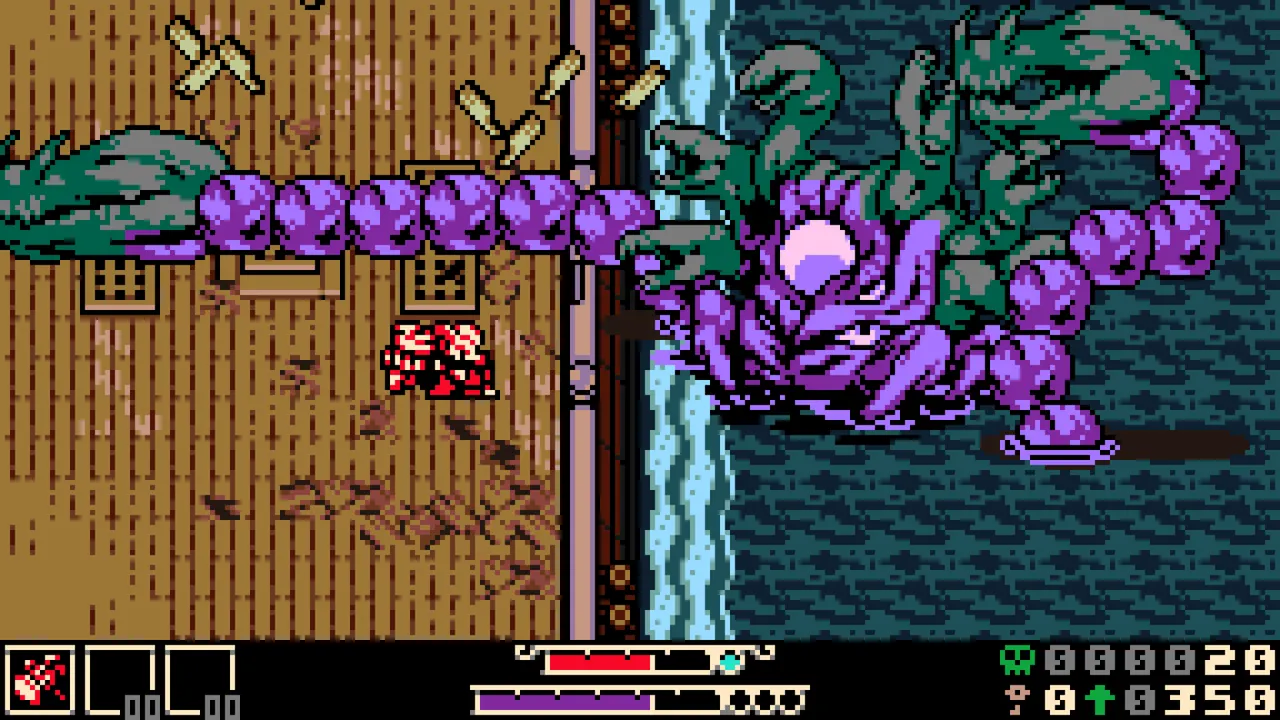
The weapon that feels strongest in a normal room may not be strongest in a boss fight. Boss arenas tend to reward repeatable punish timing and safe recovery. A weapon that lands fewer but cleaner hits can outperform a faster option if it keeps Mina alive long enough to learn later phases.
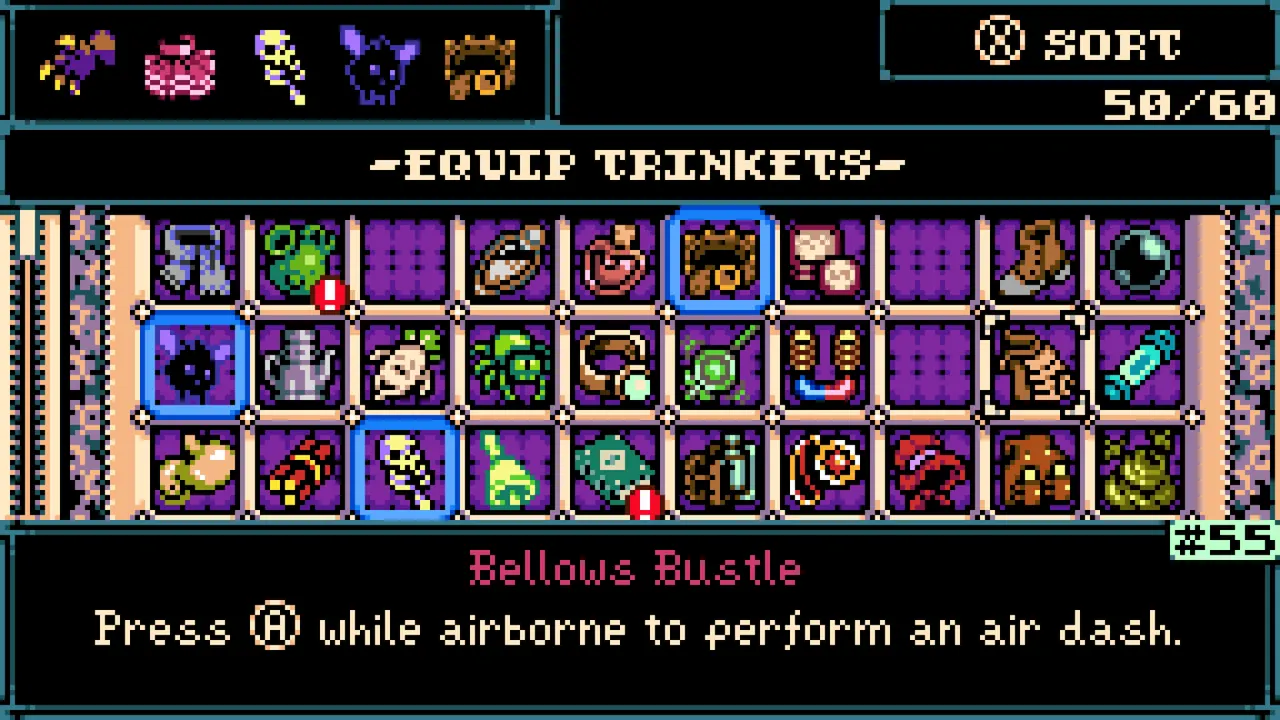
Upgrade anxiety is understandable, but Mina appears designed around experimentation. The presence of multiple weapon styles, trinkets, sidearms, and modifiers means the combat model expects players to adapt. Early spending should still be deliberate, but paralysis over finding a perfect weapon can slow learning more than a modestly inefficient upgrade.
Current Unknowns And Caveats
Exact damage values, upgrade costs, and late-game weapon breakpoints can change with balance updates or differ by version. This page should avoid ranking the entire arsenal by one universal tier list until repeatable numbers and route situations are available.
The more reliable early recommendation is situational: choose range for unknown rooms, speed for familiar routes, utility for awkward enemy angles, and consistency for bosses. That advice remains useful even when individual weapon values shift.
Editorial Takeaway
Mina's weapon system works because it asks for a plan instead of a favorite button. The best weapon is rarely permanent; it is the tool that makes the current route cleaner, the current boss safer, or the current build less brittle. Early players should value control first, then specialize once the world starts repeating patterns back at them.