Area routing
Mina the Hollower Map and Route Notes
A Mina the Hollower map guide for route memory, landmarks, shortcuts, backtracking, exploration pressure, and avoiding wasted trips.
Quick Answer
Mina's map should be treated as a memory aid, not a route autopilot. Review coverage points to a relatively general map structure, so good route planning depends on landmarks, shortcuts, risk notes, and remembering which rooms connect to locked doors, trinkets, bosses, and safe return paths.
At a glance
Best for
Map, areas, route notes, shortcuts, landmarks, and exploration planning.
Start with
Landmark
Next step
What it connects and which side opens it.
Detailed Breakdown
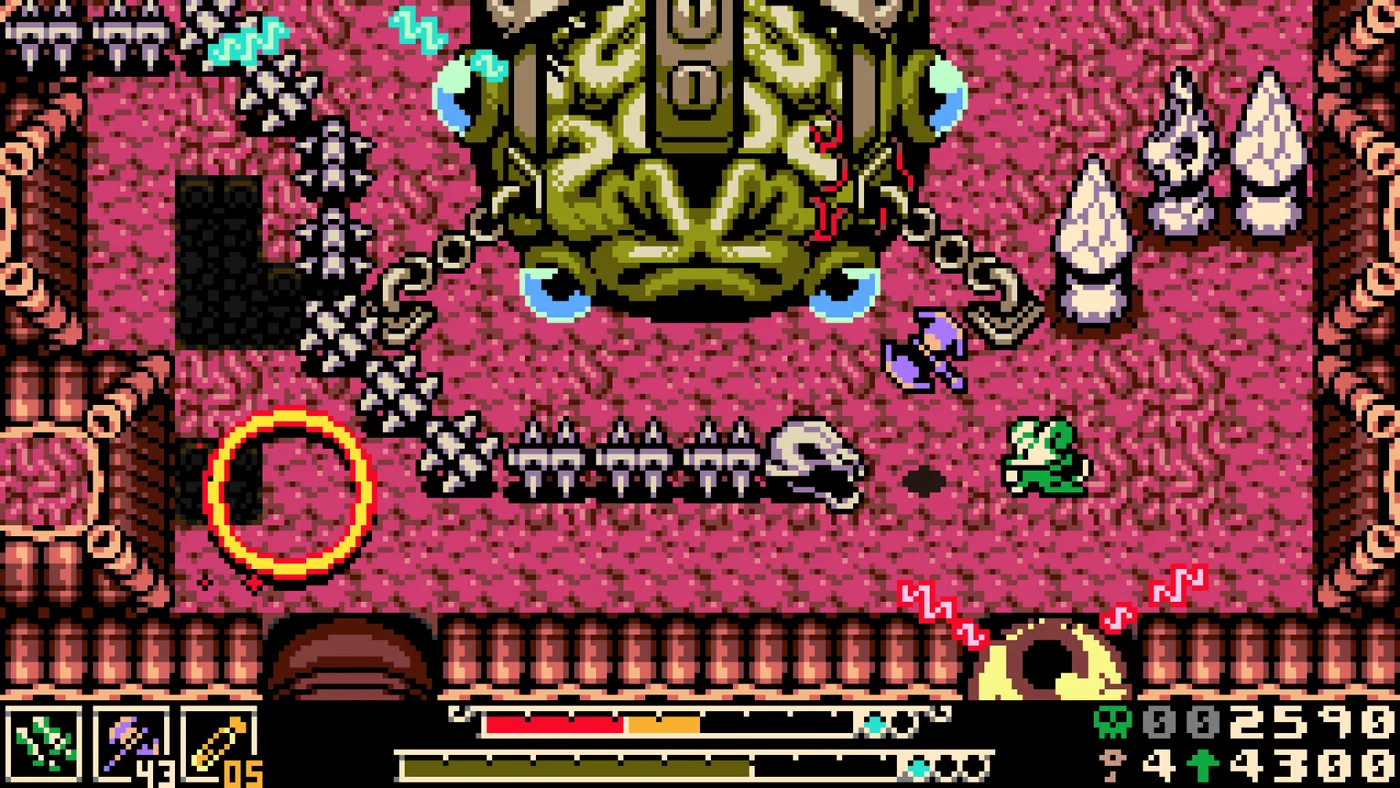
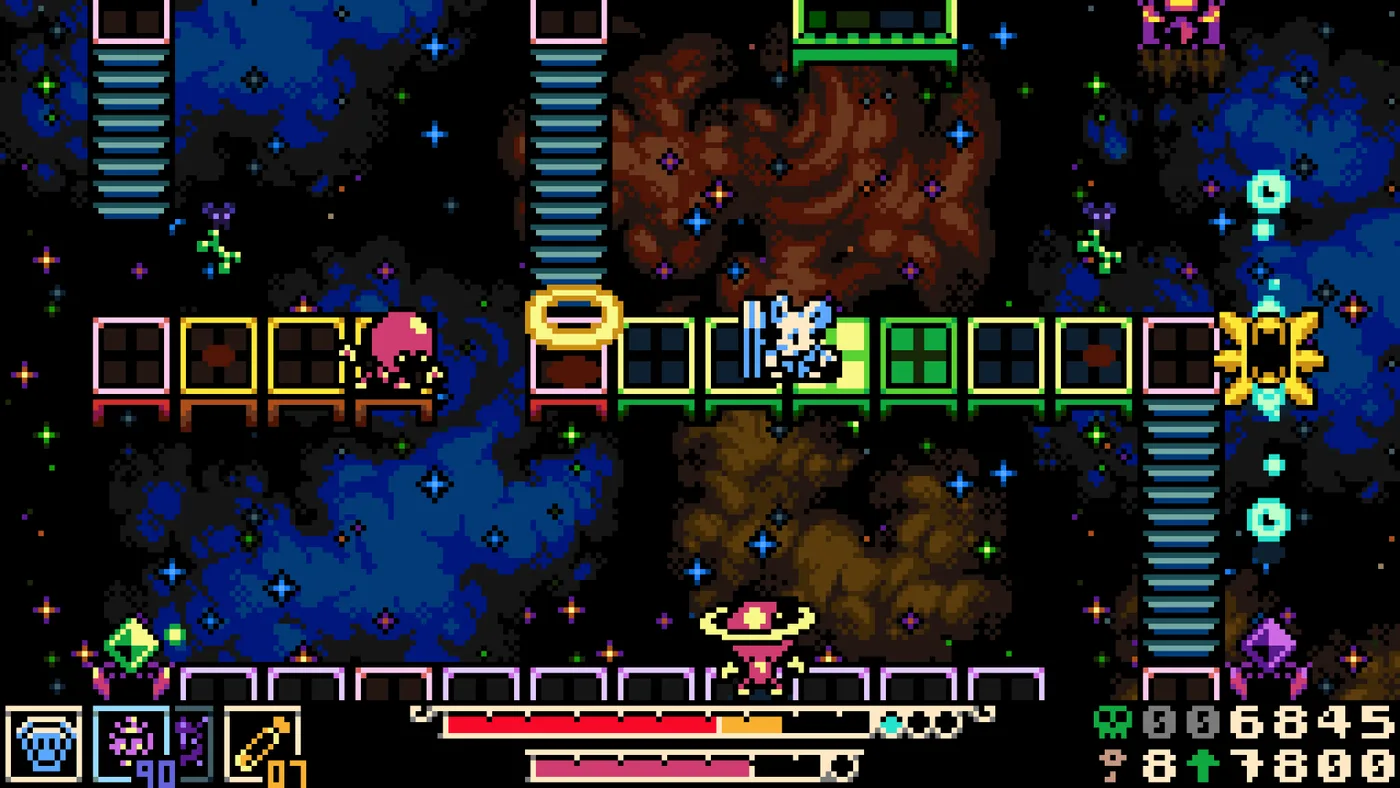
Mina the Hollower's world is described by Yacht Club as huge, dark, secret-filled, and interconnected, with dozens of regions and more screens than Shovel Knight: Treasure Trove. That scope makes route memory a real skill. The player is not just moving from marker to marker; each room can hide a shortcut, item, locked door, enemy pattern, or later return point.
Worthplaying's review calls out the map as more general than some modern players may expect, with the game relying on memorable screens and generous shortcuts. That design can be rewarding because it makes the world feel physical, but it can frustrate players who leave a suspicious room and cannot remember how to reach it two hours later.
A useful map page should therefore organize routes by player task rather than raw area name. The most important information is what a room is for: a shortcut to open, a trinket to revisit, a locked door to price out, a boss route to make repeatable, or a danger room that should be skipped until the build improves.
Route detail
Landmark
What to record
A visual room feature, NPC, door, or hazard pattern.
Why it matters
Players remember screens more easily than abstract area names.
Player action
Use it as the anchor for return trips.
Route detail
Shortcut
What to record
What it connects and which side opens it.
Why it matters
Shortcuts reduce repeated damage before bosses or loot runs.
Player action
Open it before chasing optional rewards.
Route detail
Locked door
What to record
Cost, nearby route, and likely reward type.
Why it matters
Keys compete with upgrades for early currency.
Player action
Return after spending decisions are clear.
Route detail
Danger room
What to record
Main enemy, hazard, and best exit direction.
Why it matters
Some rooms are safer as scouting routes than farming routes.
Player action
Skip or rebuild if it drains too many resources.
Why It Matters For Players
Map discipline directly affects progression speed. A player who remembers the shortcut back to a boss gets more useful attempts per session. A player who forgets where a locked room was may waste time wandering through already-solved danger. Mina's density makes small notes valuable because the world keeps offering reasons to return.
The map also changes how players value trinkets and upgrades. A movement option may make a previously annoying route safe. A defensive build may make a hazard corridor affordable. A key may become worth buying only after the player remembers where the locked door sits relative to a safe point.
- Name routes by landmark first and area name second.
- Record which shortcuts are open before planning boss attempts.
- Mark locked doors by cost and nearby safe point.
- Separate optional loot routes from required progression routes.
- Return to suspicious rooms after gaining movement, sidearm, or trinket options.
Important Details Players May Miss
A limited map can make a game feel harder even when combat is not the blocker. The frustration often comes from uncertainty: where the door was, whether a route has a safe return, or which branch led to the NPC. A good route note removes that uncertainty without flattening the exploration.
Shortcuts are more valuable than they look. Opening a shortcut may not feel as exciting as finding a trinket, but it improves every future boss attempt, farming loop, and revisit. In a dense action-adventure, route compression is a form of power.
Not every suspicious path should be solved immediately. Mina rewards curiosity, but it also punishes overextension. If a room drains healing, forces repeated sidearm use, or requires a movement option that does not feel consistent yet, the better play is to mark it and return later.
Current Unknowns And Caveats
A spoiler-safe map should avoid dumping late-region names before players naturally reach them. Public sources confirm a large world with many regions and secrets, but route guidance is most useful when it stays tied to where the player is in the adventure.
Patch changes may adjust shortcuts, item placement, or map behavior. The route system should be written around landmarks and decision points so it remains useful even if exact reward values shift.

Editorial Takeaway
Mina's map design appears built to make exploration feel earned. The best route notes should preserve that feeling while removing needless friction: landmark, shortcut, risk, return path, and reason to come back. That is enough structure to help without turning the world into a checklist.